TOYOTA 400-59135 Manual Transmission 88K
fits model: 4runner. make: Toyota. year: 1989-95.
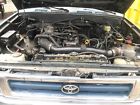
( Manufacturer Part Number: 400-59135 ), ( Part Type: Manual Transmission )
Review TOYOTA 1989 95 Pickup Complete Manual Transmission 88k Free Shipping Oem fits 4RUNNER 1989-95
The 400-59135 is a genuine OEM (Original Equipment Manufacturer) manual transmission for the 1989-1995 Toyota 4Runner. This transmission is a crucial component of your vehicle's powertrain, responsible for transmitting power from the engine to the wheels.
This particular transmission is a 5-speed unit, offering smooth and precise shifting. It's designed to provide reliable performance and long-term durability, making it an excellent choice for both daily drivers and off-road enthusiasts.
The 400-59135 transmission is made from high-quality materials, including strong steel gears and robust synchronizers. It features a compact design that helps to improve fuel efficiency and reduce overall vehicle weight. The transmission also includes a standard torque converter, which helps to smooth out power delivery when shifting from idle to full acceleration.
This transmission is a direct replacement for the original unit in your 1989-1995 Toyota 4Runner. It is designed to fit perfectly and integrate seamlessly with your vehicle's existing drive system. Installation is straightforward, and the transmission includes all necessary hardware for a hassle-free installation process.
In summary, the 400-59135 is a high-quality, reliable, and durable manual transmission specifically designed for the 1989-1995 Toyota 4Runner. It offers smooth and precise shifting, improved fuel efficiency, and long-term durability, making it an excellent choice for anyone looking to replace their vehicle's original transmission.
Pros of buying a 1989-1995 Toyota 4Runner with manual transmission:1. Reliability: Toyota vehicles are known for their reliability, and the 4Runner is no exception. The manual transmission can be more durable than an automatic, especially under heavy use.
2. Value: Older vehicles like the 4Runner can be a great value. They tend to hold their value well and can be cheaper to buy and maintain than newer models.
3. Control: Manual transmissions offer a more direct driving experience and allow for better control over the vehicle's speed and engine revs.
4. Fuel Efficiency: Manual transmissions can be more fuel-efficient than automatic transmissions, especially in city driving.
Cons of buying a 1989-1995 Toyota 4Runner with manual transmission:1. Limited Availability: Older vehicles like the 4Runner may be harder to find with a manual transmission, and when you do find one, it may be more expensive.
2. Maintenance: Manual transmissions require more regular maintenance than automatic transmissions, including fluid changes and clutch checks.
3. Less Comfortable: Some people prefer the smoothness and ease of driving an automatic transmission, and a manual transmission can be more tiring on long drives.
4. Lower Resale Value: Manual transmissions may not have as high of a resale value as automatic transmissions, especially in today's market where automatic transmissions are more popular.
Conclusion:The 1989-1995 Toyota 4Runner with a manual transmission is a reliable, durable, and value-driven option for those who enjoy the control and fuel efficiency of a manual transmission. However, it may be harder to find, require more maintenance, and have a lower resale value than an automatic transmission. Ultimately, the decision to buy a manual transmission 4Runner depends on your personal preferences and driving needs.
Recommendation:If you enjoy the control and fuel efficiency of a manual transmission and are looking for a reliable, durable, and value-driven vehicle, then the 1989-1995 Toyota 4Runner with a manual transmission could be a great option for you. However, it's important to do your research and thoroughly inspect any vehicle you're considering purchasing to ensure it's in good condition and meets your needs.
Details:
Don't settle for a dirty part just because you are buying used does not mean it has to look.
All engine orders must have equipment safely capable of this.
Every item is checked, and tested prior to listing, it goes without saying that the vehicle ran components worked before its accident. The little things count.
part #: 40059135 prices
- $141.49-$258.50
specifications complmanu:
- for models: 4runner
- for makes: Toyota
- for years: 1989-95
- mpn: 400-59135
- part type: Manual Transmission
Offer complmanu:
- Started: July 21, 2018, 12:22 pm
- best offer: true
- Sold: 0
- quantity: 1
- bids: 0
Payments complmanu:
- PayPal
- Discover
- VisaMC
- CashOnPickup
- AmEx
Seller complmanu:
- city: Wilkes-Barre, Pennsylvania
- zipcode: 18702
General complmanu:
- condition: Used
- motors > partsaccessories > cartruck parts > transmissiondrivetrain > manual transmissionsparts > complete manual transmissions manual transmissions parts
- in stock: Yes
Ratings:
- Great communication. A pleasure to do business with. 07-09-18
- Excellent. ValuedThank you for your purchase.: 07-09-18
- Thank you for an easy, pleasant transaction. Excellent buyer.. 07-11-18
- Good Buyer, Prompt Payment, Valued Customer, Highly Recommended 07-12-18
- Thank you for an easy, pleasant transaction. Excellent buyer.. 07-12-18
Returns complmanu:
- policy: returns accepted
- time: 30 Days
- paid by: Buyer
- type: Money back or replacement buyers choice
Shipping complmanu:
- handling: 2 days
- cost: $0.0
- type: Flat
Toyota 400-59135 Is Similar To:
- 06 Toyota Camry Manual Transmission (61.1% similar) Replace valve cover gaskets. Install new belts and hoses. If needed replace timing gears, chains or belts gaskets. Install new filter kit. 06 toyota Camry manual transmission pre-installation requirements: replace all seals. Flush and inspect cooling lines. Engines are guaranteed against knocking ...(September 12th, 2017)
- 07 Toyota Sienna Automatic Transmission (50.5% similar) ...(June 12th, 2017)
- 1998 Toyota Tacoma Manual Transmission (61.2% similar) Check with the dealer. Components may be different. N new part manufactured from scratch. We remove oil pan and filters to inspect the unit. Please inquire before making a purchase. Warranty does not cover negligence or abuse of unit. Cooling lines must be flushed of debris before installing. ...(July 1st, 2017)
- 1nz-fe Toyota Jdm Echo Yaris Scion Xb Xa Automatic Transmission (39% similar) You can not claim for any part, component or sensor which are clearly showing damaged in the original listing pictures of item. The following claims are not accepted: you can claim for any parts which was included in original package nor mentioned page. Timing belt, water pump, belts, seals, spark ...(October 27th, 2018)
- 1zzmr2 Toyota Jdm Transmission Speed (50% similar) 8L5 speed manual transmission imported with low mileage...(March 6th, 2018)
- 2005 Toyota Camry Automatic Transmission (48% similar) Inspect seals and replace, warranty does not cover any type of gasket or seal. Air bag: this bag must be installed and inspected by a factory trained certified technician. Price will not be same unless stated. Components may be different. Warranty does not cover negligence or abuse of unit. Torque ...(July 14th, 2017)
- 2007 Toyota Yaris Manual Transmission (57.7% similar) Help please dont hesitate to reach out us with any questions or concerns. Help please dont hesitate to reach out us with any questions or concerns...(July 23rd, 2017)
- 2011 Toyota Prius Automatic Transmission (54% similar) Because our standard and hassle-free, 1-YEAR warranty is included with every oem auto part, you'll enjoy the peace of mind you deserve one less part to worry about. Stock photos are not images of actual part in the. It may be here tomorrow. For photos with images of the donor vehicle, please request...(August 2nd, 2017)
- 2zzge Toyota Jdm 6spd Manual (36.4% similar) 8l VTOL 6SPD manual transmission reference: 411 actual engine serial number: stamp as seen in pictures. 8l VTOL-i actual item pictures. JD toyota 2ZZGE 6SPD manual trans corolla Xes matrix ready to ship...(July 13th, 2017)
- 30300-17212 Toyota Manual Transmission Spyder Miles Corolla Matrix (47.6% similar) Equipped as pictured - you'll need to transfer the shift mechanism and sensor over from your old transmission. These vehicles come with a this transmission was fine. Fits direct replacement: MR2 spider all also different final drive ratio toyota corolla non-Xes, matrix Pontiac vibe non-gt for these ...(April 30th, 2018)
- 30300-52711 Toyota Yaris Manual Transmission (53.8% similar) 5l l4 - gas TOYOTAYARIS2008BASE, S1. Color cannot be determined by picture. 5l l4 - gas TOYOTAYARIS2013L, le, SE1. 5l l4 - gas TOYOTAYARIS2015L, le, SE1. 5l l4 - gas TOYOTAYARIS2011BASE1. 5l l4 - gas TOYOTAYARIS2009BASE, S1. 5l l4 - gas TOYOTAYARIS2010BASE1. 5l l4 - gas TOYOTAYARIS2014L, le, SE1. 5l...(September 8th, 2018)